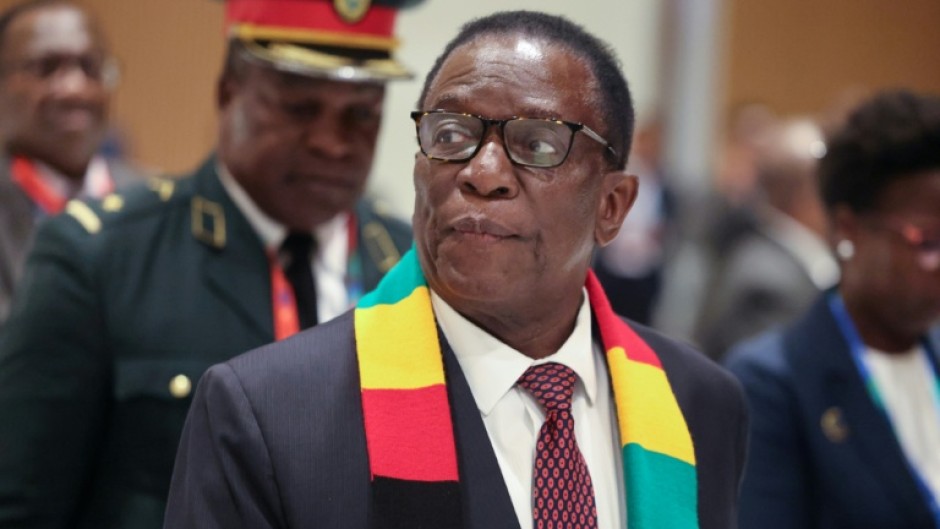




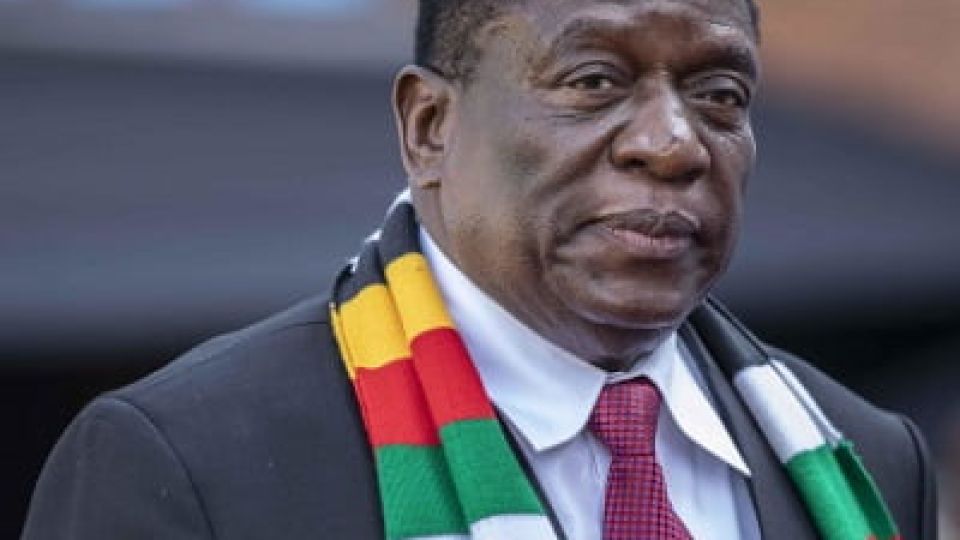

Zimbabwe President Emmerson Mnangagwa
from MARCUS MUSHONGA in Harare, Zimbabwe
Zimbabwe Bureau
HARARE, (CAJ News) – ZIMBABWE is facing mounting political tension amid fierce opposition to moves to amend the Constitution in a manner critics say could extend President Emmerson Mnangagwa’s tenure beyond the expiry of his second term in 2028.
At the centre of the debate is the sanctity of constitutional term limits.
Zimbabwe’s 2013 Constitution, adopted through a national referendum, limits a president to two five-year terms.
Legal experts warn that any attempt to alter entrenched provisions without following due constitutional processes — including a referendum where required — would undermine the rule of law and weaken democratic governance.
National Constitutional Assembly (NCA) leader and constitutional law expert Professor Lovemore Madhuku strongly rejected the proposed changes.
“The proposed constitutional amendments for 2030 are totally unacceptable! The movers of these proposals have no respect for the people. The NCA party and I will be counted among those who will be at the forefront of mobilising for the total rejection of these proposals.”
Section 328 of the Constitution provides clear procedures for amending certain provisions, particularly those relating to presidential term limits.
Constitutional scholars argue that bypassing such safeguards would erode the foundational principle that sovereign power resides in the people.
Former Citizens Coalition for Change (CCC) legislator and constitutional lawyer Fadzayi Mahere also issued a stern warning, calling for national unity in defence of democratic norms.
“If there’s ever been time all citizens who love Zimbabwe should unite, it’s now. Those planned Constitutional amendments are the biggest threat to the core and fabric of our society in this lifetime. We need new leaders,” Mahere said.
She further criticised what she described as an abuse of power.
“They have destroyed our lives. Now they want to destroy the Constitution. Every citizen must be disgusted and alarmed by this abuse of power that will mark the final nail in the coffin of Zimbabwe’s democracy. It’s a shame,” Mahere said.
Questioning the logic of extending executive authority without a fresh public mandate, she added: “Why should an executive president with sweeping powers be afraid of seeking a proper mandate from the people? Was the point of the War of Independence not one man, one vote? Why must it be diluted to one MP, one vote? Why rob us of the right to choose our leader?”
Critics argue that extending presidential power without direct electoral endorsement risks entrenching executive dominance, weakening institutional independence and narrowing democratic space.
Across Africa, attempts by leaders to prolong their rule beyond constitutional limits have often triggered instability.
Zimbabwe’s own history offers a cautionary tale.
Former President Robert Mugabe’s prolonged tenure ended amid military intervention and widespread political upheaval in 2017.
Elsewhere on the continent, Sudan’s Omar al-Bashir and Burkina Faso’s Blaise Compaoré were forced from power following efforts to extend their rule, moves that fuelled unrest and economic uncertainty.
Regional leaders have also voiced concern.
South African opposition leader Mmusi Maimane warned of broader consequences for Southern Africa, stating: “This is utterly disgusting. As South Africa we must be aware that the longer there is a brutal dictatorship in Zimbabwe, the longer we will not be able to deal with the immigration crisis in South Africa.”
He added: “We can’t endorse forever presidents and family dynasties. Be it Museveni, Mugabe or Mnangagwa.”
From Zambia, lawyer and political activist Joseph Kalimbwe drew parallels with his country’s past political experience.
“When a leader (Mnangagwa) seeks to extend his term of office beyond the stipulated five-year period, he violates the very constitution he took an oath to protect. (Frederick) Chiluba (former Zambian president) tried it and his own party members rejected his plans.”
Chiluba led Zambia’s Movement for Multiparty Democracy (MMD) in the early 1990s.
Analysts warn that prolonged incumbency without renewed public consent often damages economic confidence.
Investors closely monitor governance indicators such as constitutional stability, judicial independence and peaceful transfers of power.
Perceived democratic regression can deter foreign direct investment, increase country risk premiums and undermine long-term economic planning.
Zimbabwe’s fragile economy — already grappling with currency instability, unemployment and capital flight — depends heavily on restoring international confidence.
Respect for constitutional order is widely viewed as essential for sustainable growth and re-engagement with global financial institutions.
Ultimately, the debate transcends personalities.
It concerns whether Zimbabwe will uphold the principle that leadership derives its legitimacy from the people and remains subject to constitutional limits.
Democracies flourish when power changes hands peacefully and predictably. They falter when constitutions are amended to suit incumbents.
As tensions rise, Zimbabwe faces a defining moment.
The defence of constitutional term limits may prove pivotal not only for political stability but also for the country’s democratic credibility and economic future